.svg)
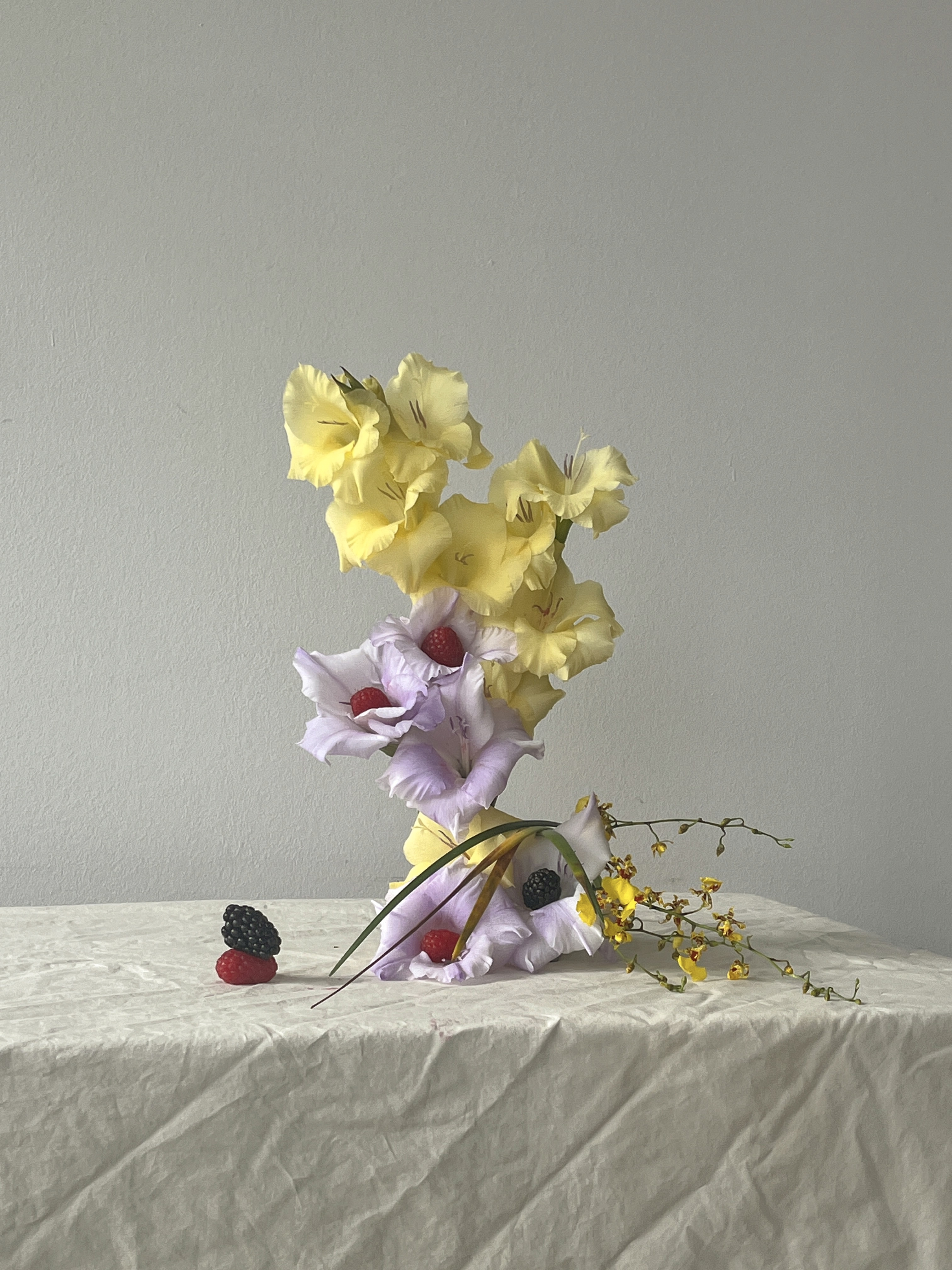
I first encountered Nadia’s world through her Instagram page—an intimate corridor of surreal florals that felt both fleeting and arrestingly alive. What drew me in was the quiet tension in her visual language: how something so soft, fragile, and ephemeral could hold such sculptural presence. Her arrangements seemed to hover between breath and form, honouring the materiality of each petal while reshaping it into something otherworldly.
There was a reverence here—a deep regard for texture, temporality, and the subtle power of what blooms and fades in its own time. The world she calls Floral Asylum is a refuge: where flowers are held, listened to, and allowed to exist beyond decoration. A lot less like scrolling through images and more like entering a small ritual of seeing.
In this conversation, we explore the workings behind this sanctuary-her process and ways of seeing, her relationship with holding and creating with flowers, and the early memories and instincts that continue to shape her practice.
Q When you think back to the earliest moments that shaped your sense of beauty or form, what memories come alive? Were flowers or rituals part of your childhood landscape?
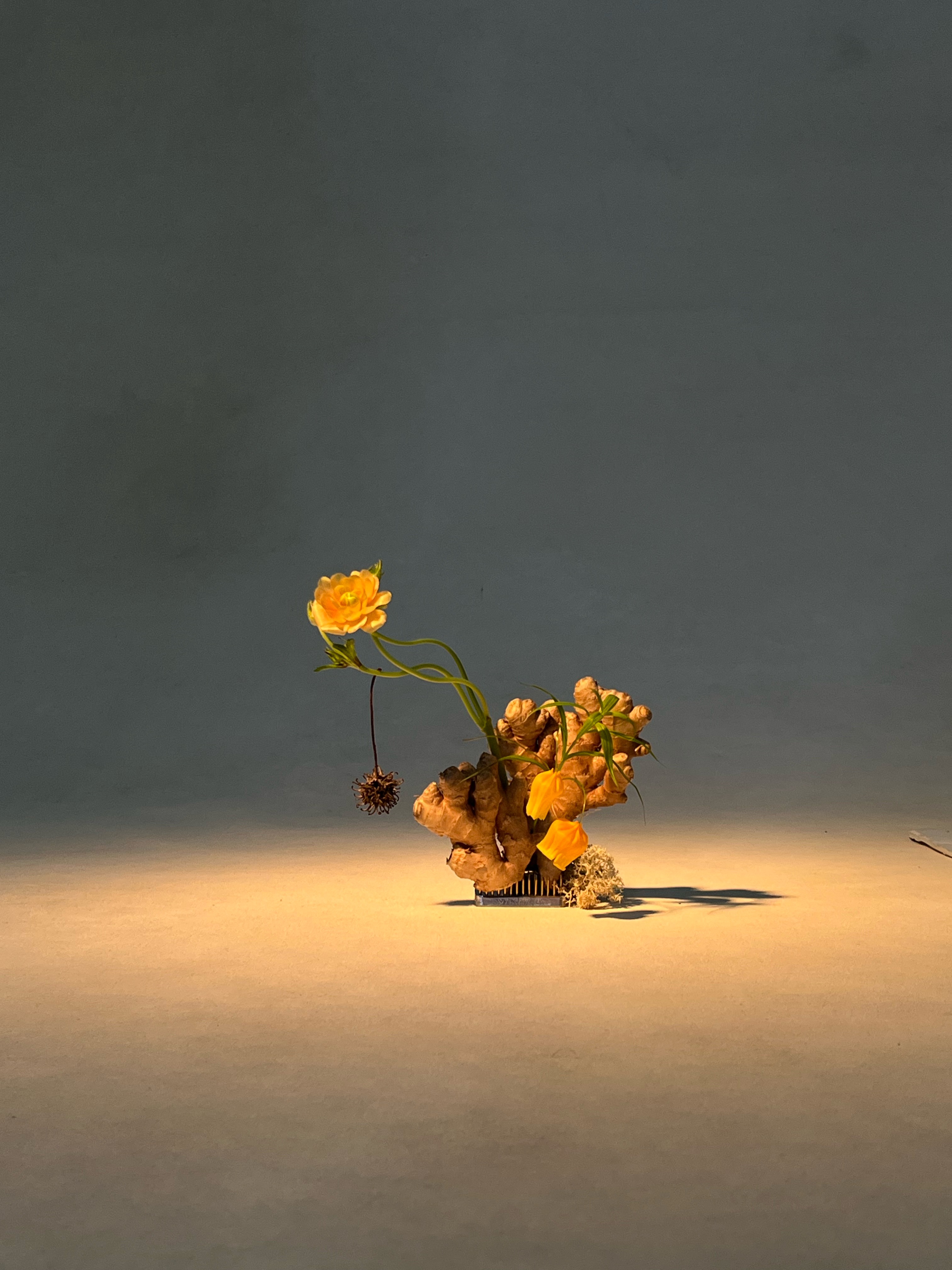
A I can recall my grandfather with a large, thick-skinned orange in one hand and a paring knife in the other, deftly carving a charming little basket for my amusement. That was the first time I witnessed someone manipulating organic material (that which is already beautiful) into something even more bewitching.
Other, more fleeting memories include:
My father’s gladioli towering over me as they mingled with tomato plants in the backyard. My first musical instrument: a sundried animal hide stretched over a mud cylinder — if you held it up to the sun, you could see a lattice of veins stretched out across the membrane. Frilly snow fungus and wood ear mushrooms. Ladybugs, dandelions, butterflies, the classics. Swathes of fabrics with floral motifs: shiny embroidered satins, cotton duvet covers, canvas curtains. Chrysanthemum tea. The salty smell of henna flowers on my palms.
Q Was there a moment when working with flowers shifted from an instinctive act to a conscious practice? How did you recognise that transition?
A At its core, my practice is still predicated on raw instinct. I am deeply conscious of certain requirements or expectations that my clients may have of my work, but that’s about it. I always say this, but when I’m working, I don’t feel conscious; the flowers guide me.
My practice orbits around the premise of understanding: I work to understand not only the flowers that I work with, but also my patrons and clients as best as I can, and in turn, they graciously extend their understanding to me and my work.
Q“Floral Asylum” is such an evocative name — intimate, protective, slightly mystical. What does “asylum” mean to you in the context of your creative world?
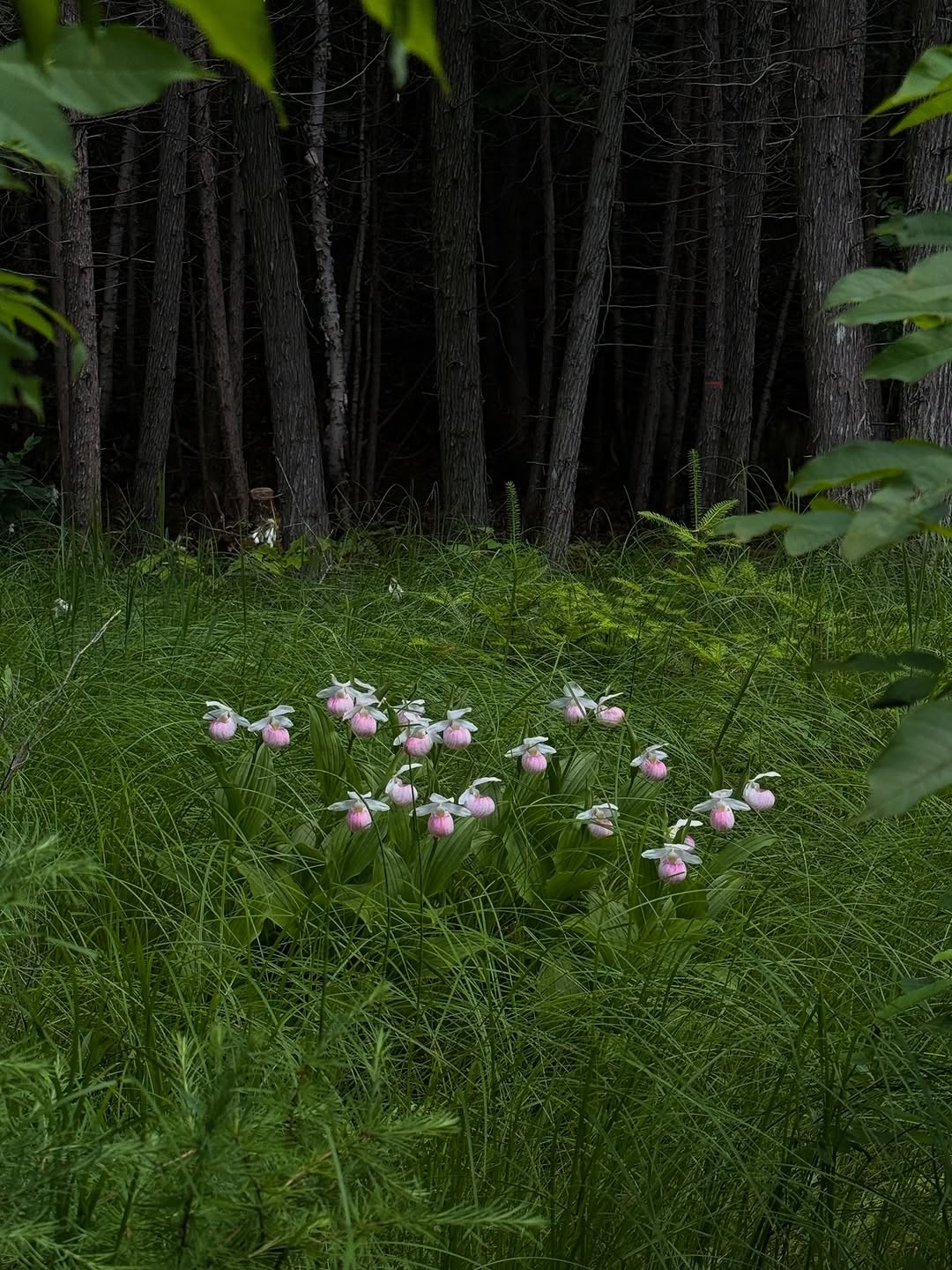
A Mother Nature is a protective, giving, healing force, and flowers are one of the truest expressions of this generosity. I mean, it’s trite, but without flowers, we wouldn’t even be here. Flowers are a safe haven to me. It’s also a play on “mental asylum”, because I’m most fond of strange and surreal flowers, and I have narcissistically imagined, on occasion, that they seek refuge with me after being shunned by the world. In reality it’s the reverse that’s true, since it’s really me who finds comfort in them.
Q Do flowers ever teach you — about surrender, timing, impermanence, or restraint?
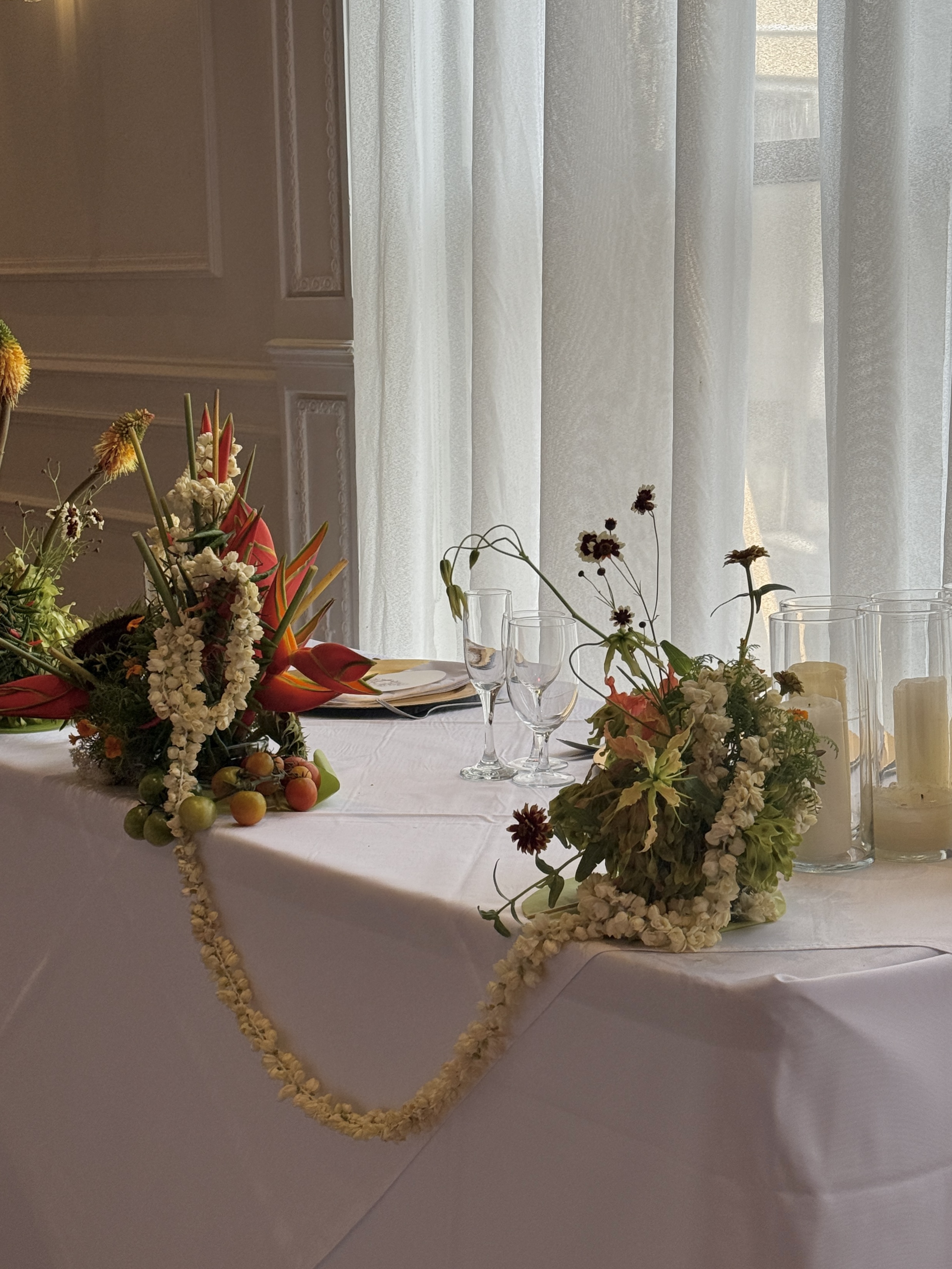
A I have tremendous reverence for flowers. They’ve taught me so much and I still have much more to learn. Surrendering to them and their various whims: their impermanence, their often finicky natures, their flexibility (or lack thereof), their weight, their mass.
Some will fight back: I’ve been pierced by thorns and burned by sticky, milky sap more times than I can count. I forgive them and forgive myself. Hauling (read: sloshing) buckets upstairs to my sweltering bathroom, obsessively checking them by the hour, in hopes that the blooms open on time. I have to be patient and have faith in them. Each piece is a balancing act, whether figurative or literal. I just have to trust them.
Restraint is often necessary, and one of the things I struggle with most. What if there’s a flower that I’m dying to use but it simply refuses to join its sisters? I have to listen. I have to yield.
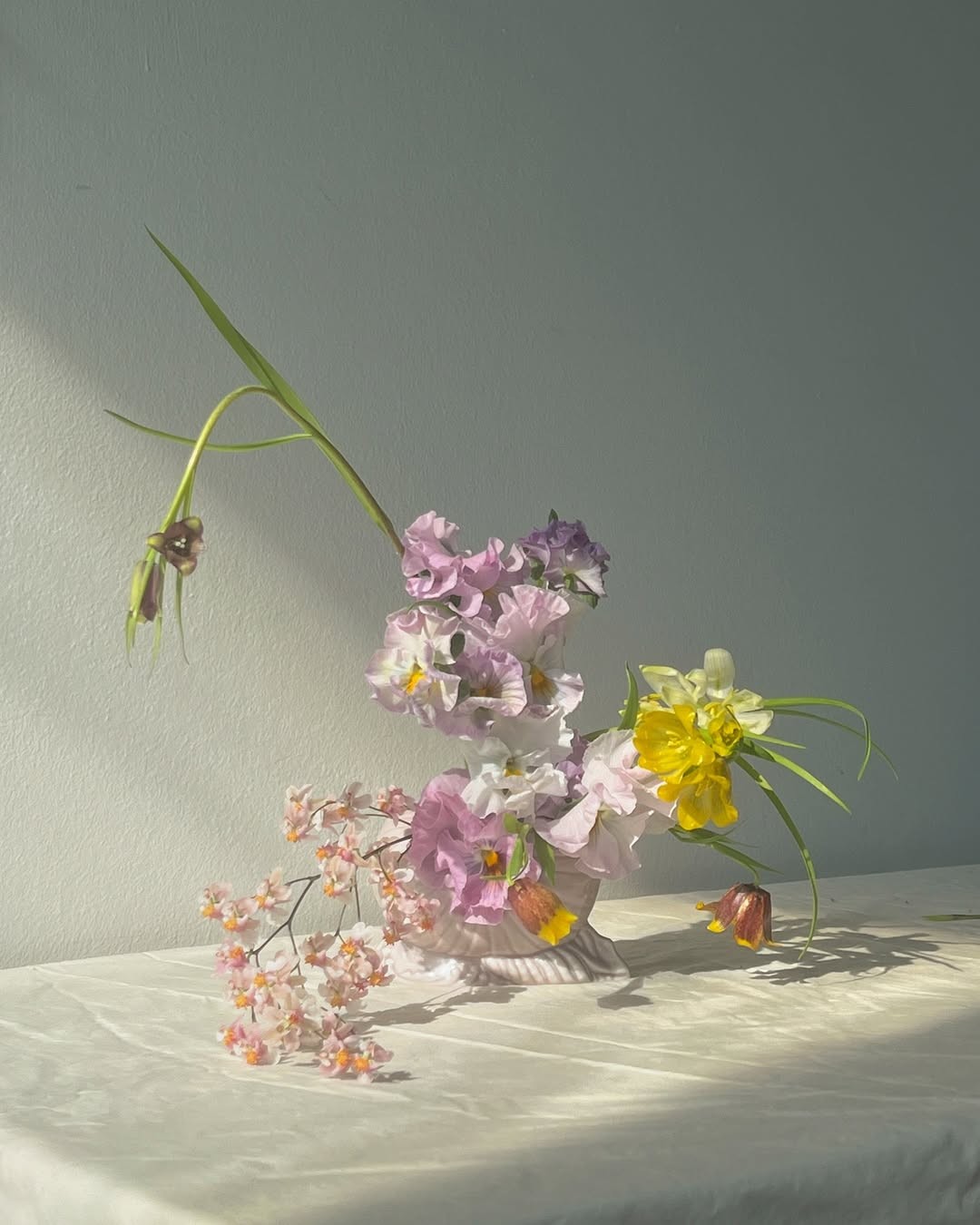
Q How do you know when an arrangement is complete? Is it visceral, a visual cue, or an internal click?
A I love this question. I just know! It really is an internal click. It’s the moment of catharsis. It feels like deliverance.
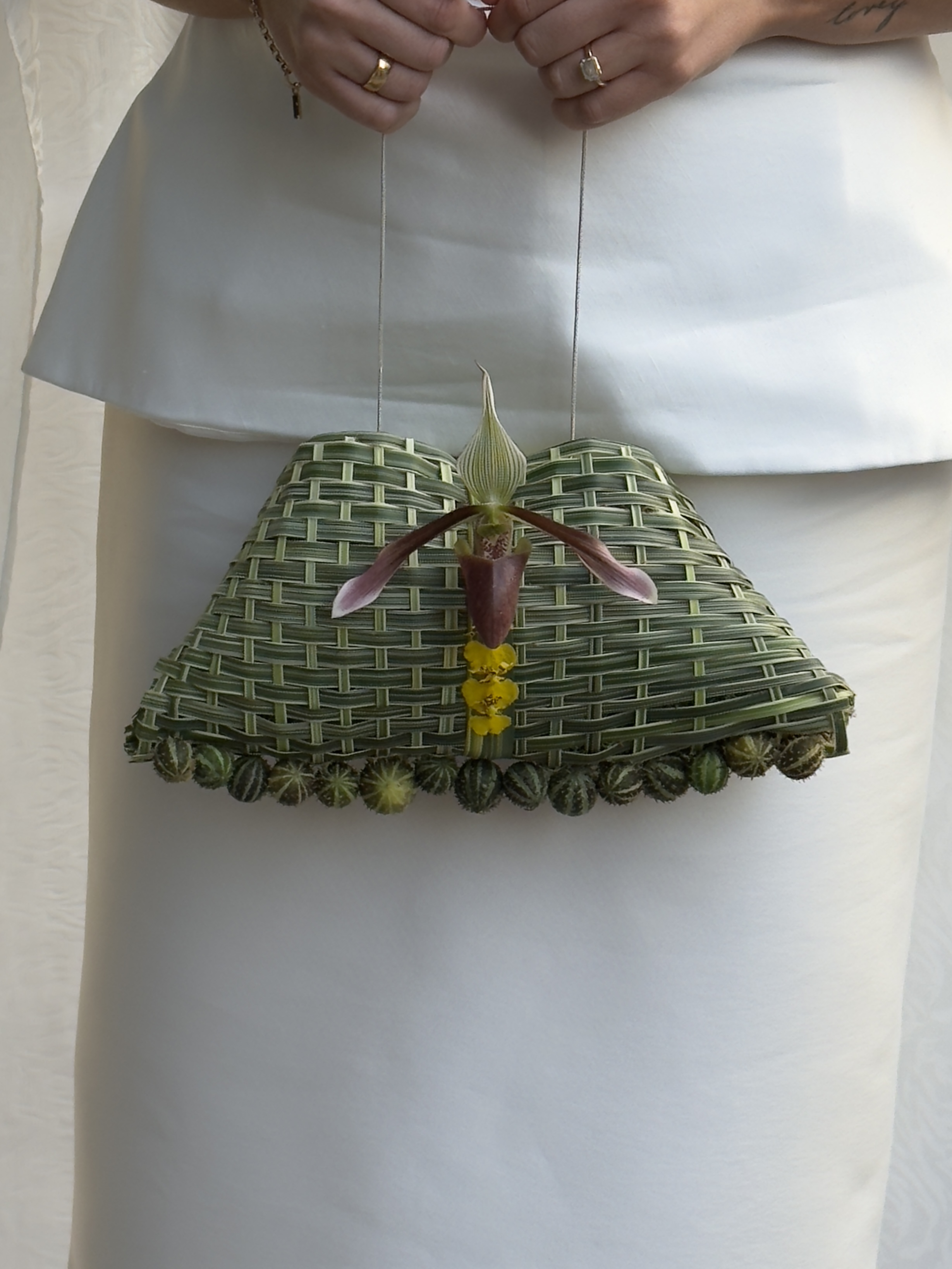
Q Your work has a distinct surreal language. How did this visual vocabulary evolve over time? Was it shaped by experimentation, intuition, or deliberate study?
A My practice has been shaped and guided by endless experimentation, meditative practice, and my own sense of intuition. Flowers have been my medium for almost a decade, and they’ve also been my primary teachers. In the end, they tell me where they want to go.
More practically, there is a lot that I had (and still have) to learn when it comes to bringing what I imagine into the physical realm. I’ve learned the most simply from messing around and getting my hands dirty. I’m sure most florists would agree that our best works have come from experimentation, and many of them were the product of the most ramshackle, freakishly DIYed mechanics underneath it all. When I’m truly stumped and can’t seem to find a way to bring what I’m envisioning to life, I often lean on the generosity of my florist friends, who share their secrets with me.
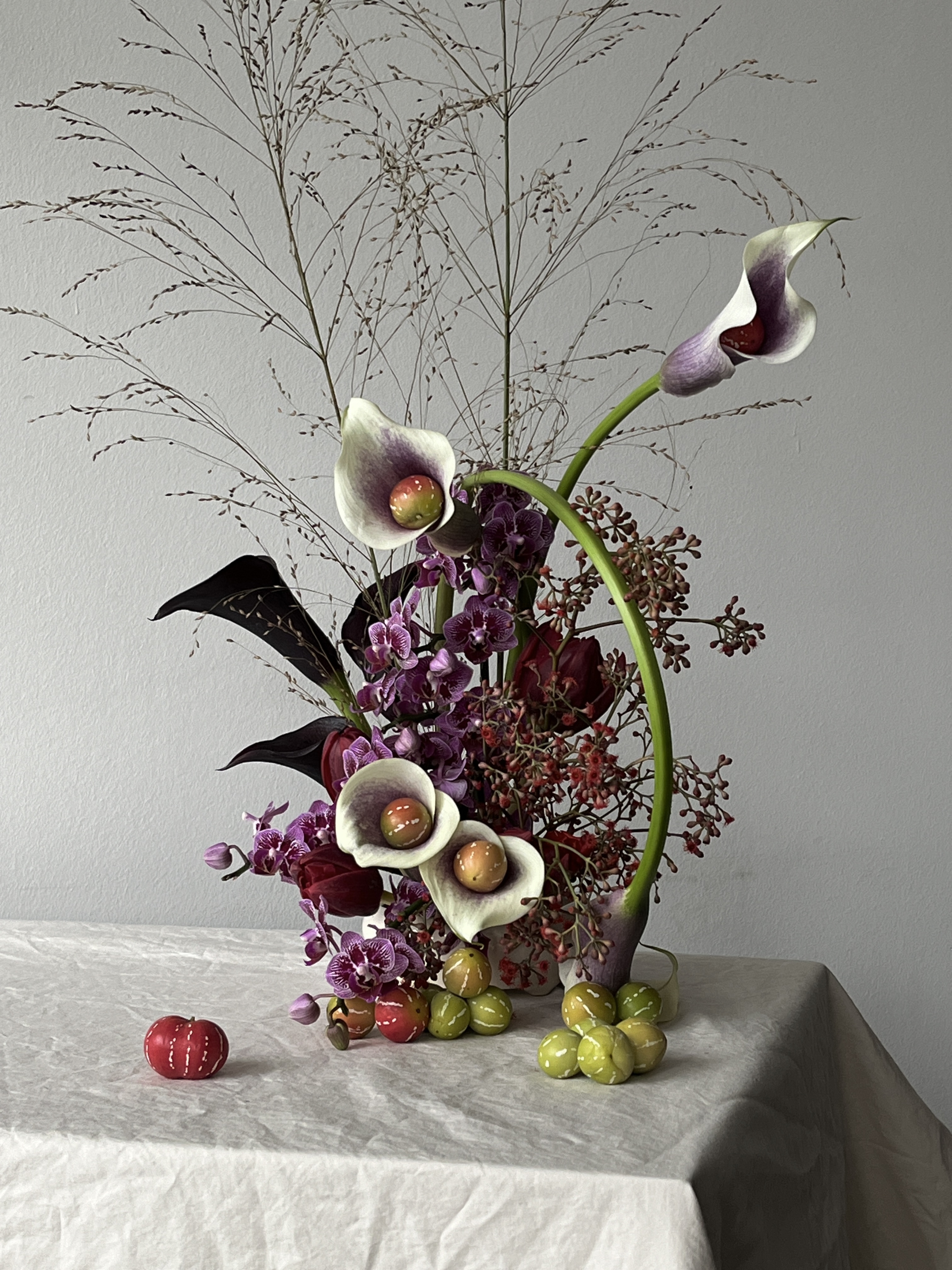
Q What do you hope people truly see when they encounter your work beyond its visual beauty?
A I don’t really hope for much beyond this. It’s difficult to make flowers look truly ugly (although I’m up for the challenge), so I suppose my biggest hope is that my work helps flowers to be seen. They’re easy to miss, you know? When you’re surrounded by flowers — on the street, in gardens, on your restaurant table — it’s only natural to dismiss them as part of the background. If acknowledged, they’re seen as mere set dressing. It’d make me the happiest girl in the world if my work somehow encourages people to slow down and engage with the colours/textures/shapes/fragrances of the flowers that they encounter. It’s like a whole different universe if you just take a look.
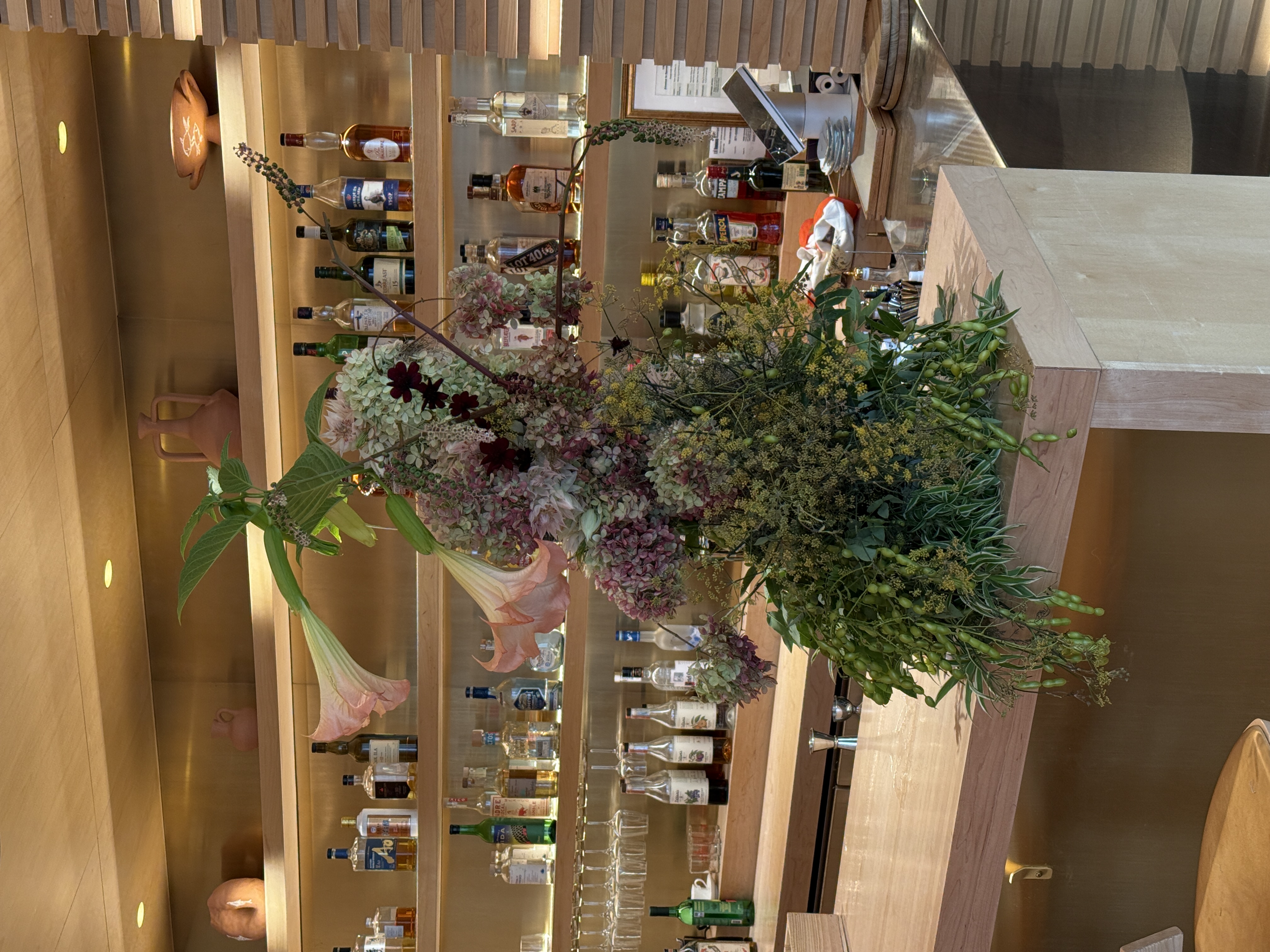
Q What feels unfinished, unfolding, or quietly calling you next?
A My world still feels like it’s in utero, still in the process of unfolding. It feels like there are many different directions I could veer into, but I’m not sure what will come next. I’m a little superstitious, so even if I knew, I wouldn’t tell you. We’ll both know it when we see it, I guess.